.svg)
Restoring Education After World War II
Find out how post-war Singapore rebuilt its education system, from training new teachers to giving all children equal access to schooling.
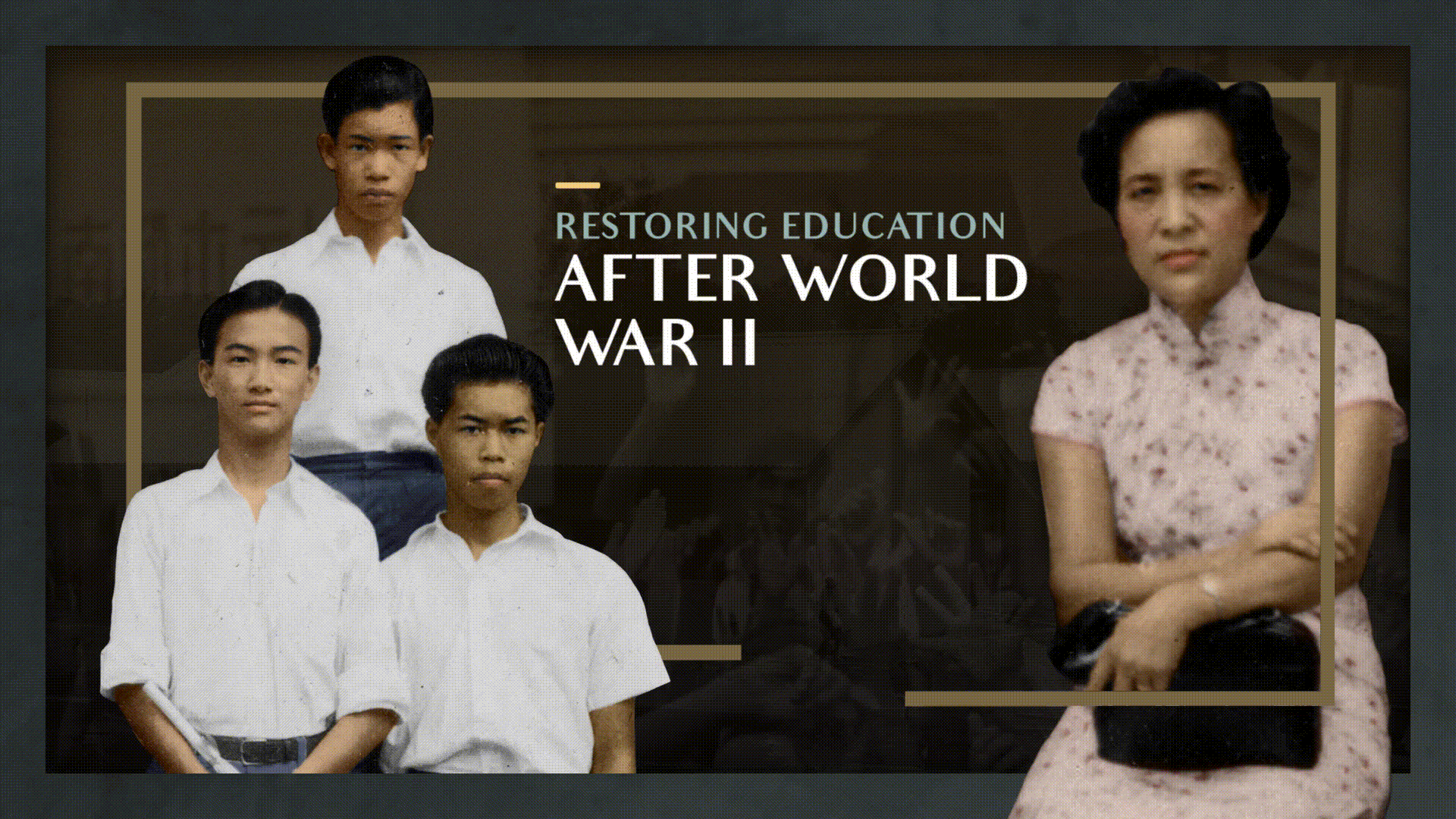
Life in Singapore remained difficult even after the war. People faced severe shortages of food and other supplies. Even though schools had reopened, there were not enough teachers and places for returning students. In response, the colonial government ordered the restoration of schools. The 1947 Ten-Year Programme was introduced to provide equal opportunities for all children as well as a centralised education system where schools would adopt the same curriculum, textbooks and common language of instruction.
Rebuilding Schools
A key step in rebuilding education was the formulation of the Ten-Year Programme. Drawn up for the years 1947 to 1957, the Ten-Year Programme aimed to provide equal opportunities for education and make primary education free for all children. Under the plan, it also set out to meet the demand for trained teachers which led to the establishment of the Teachers Training College in 1950.
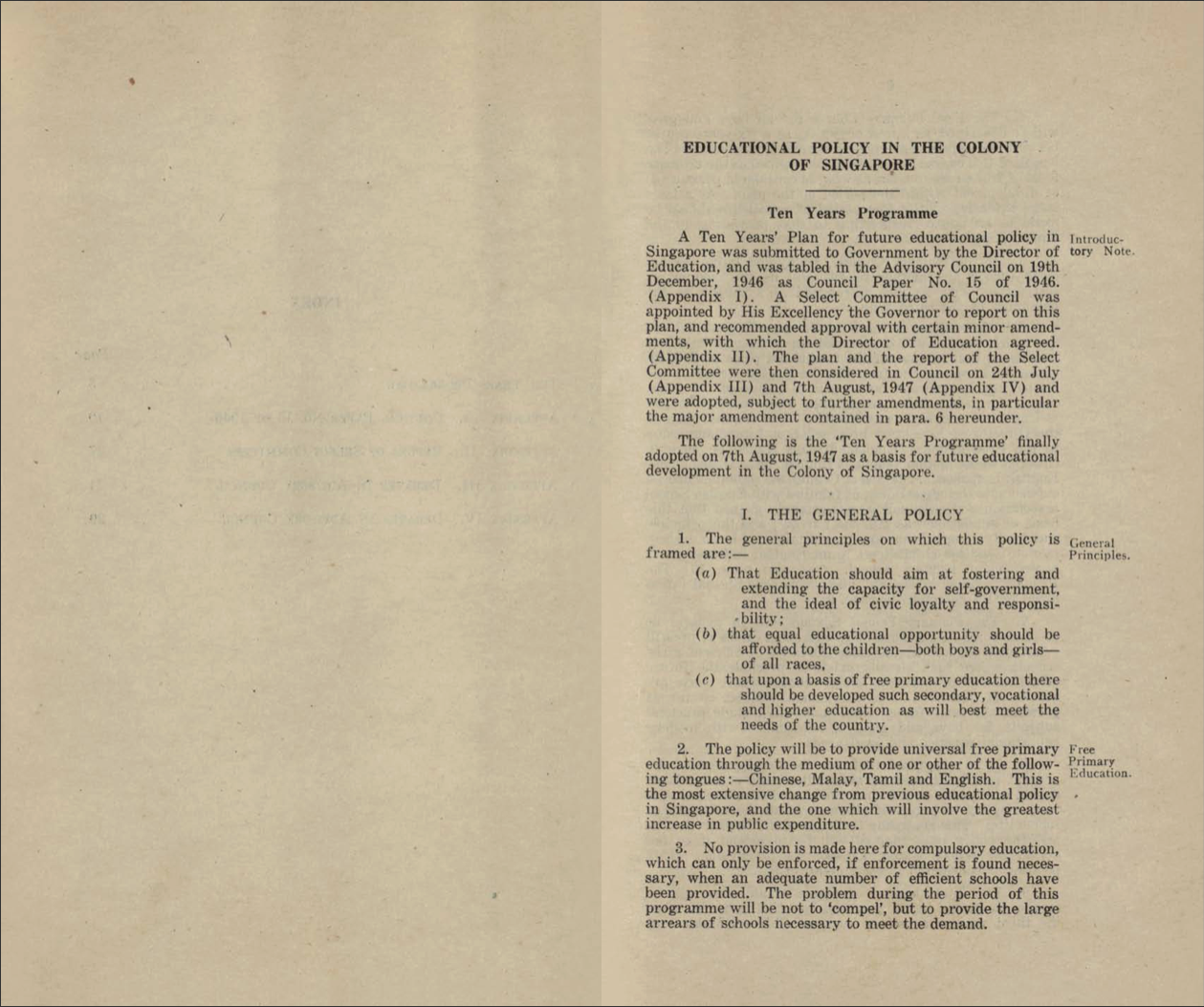
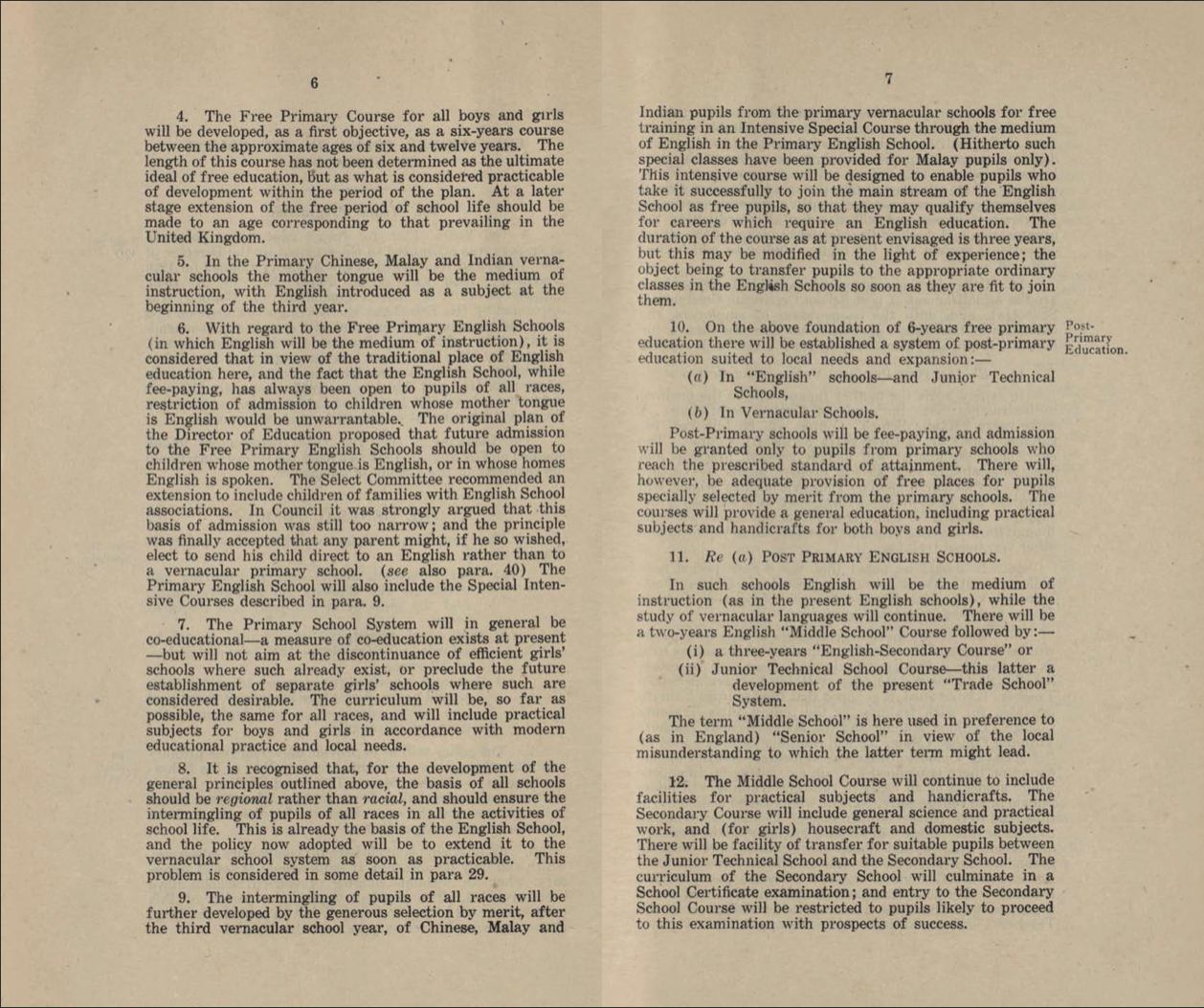
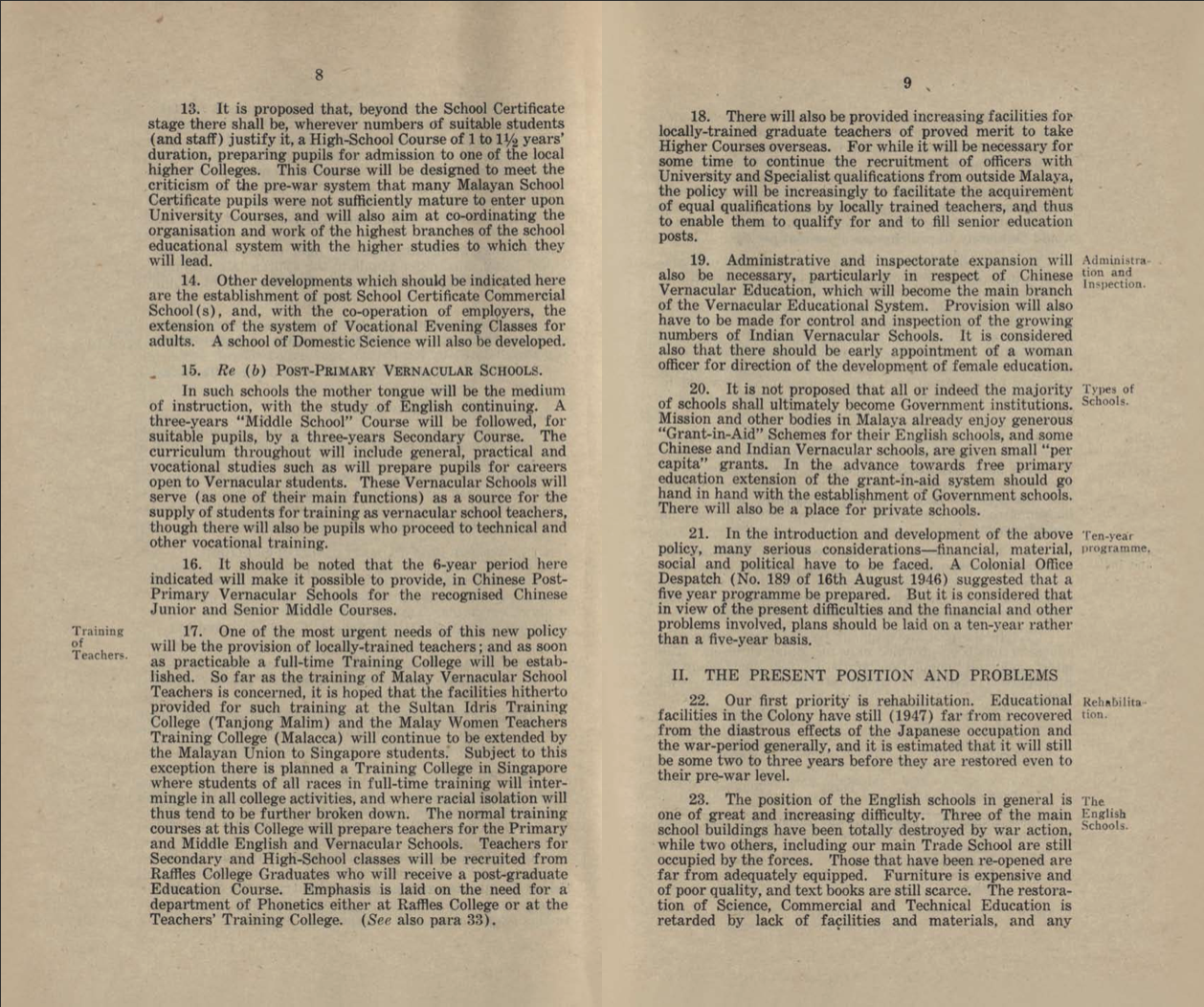
Educational Policy in the Colony of Singapore: Ten-Year Programme.
The document states the principles behind Singapore’s education policy for the next ten years. Courtesy of National Library Board.
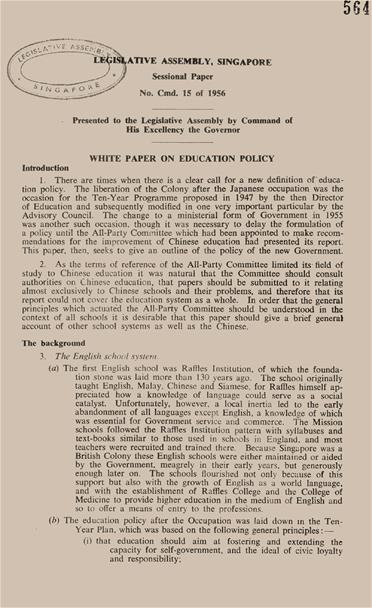
The government continued to push through its efforts for a centralised education system through the 1956 White Paper on Education Policy. The White Paper suggested the increased use of Malayan-centred textbooks and a multilingual programme in schools, so as to achieve social cohesion between students from different language streams.
Coping with Scarcity
The post-war period saw shortages of food, medicine and other basic supplies. Many schools had also been damaged or destroyed, which led to limited places in school and a lack of proper facilities. Teaching materials were inadequate and there were not enough teachers.
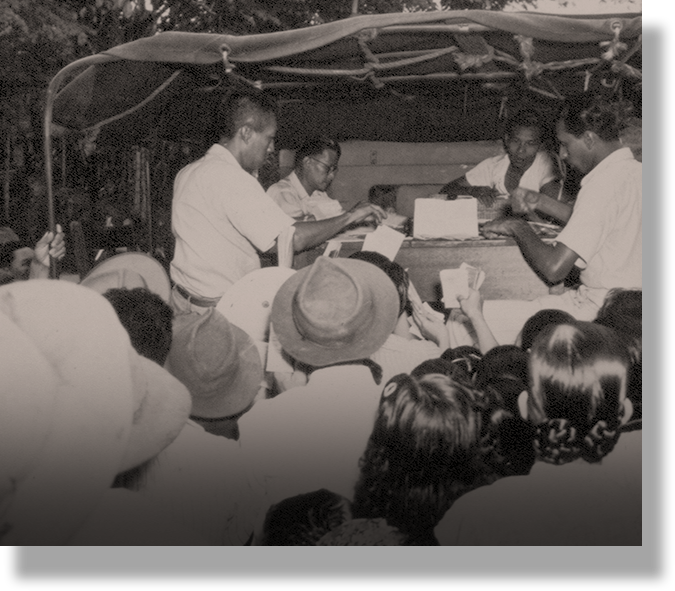
Mobile rationing units distributing supplies to residents (1949).
Ministry of Information and the Arts Collection, courtesy of National Archives of Singapore.
Accommodating Overaged Students
Many returning students were overaged and had their education disrupted due to the war. To alleviate the problem of limited spaces in schools, double-session schooling (morning and afternoon) was introduced to take in more students. Night schools were also set up for students to continue their lessons after hours.
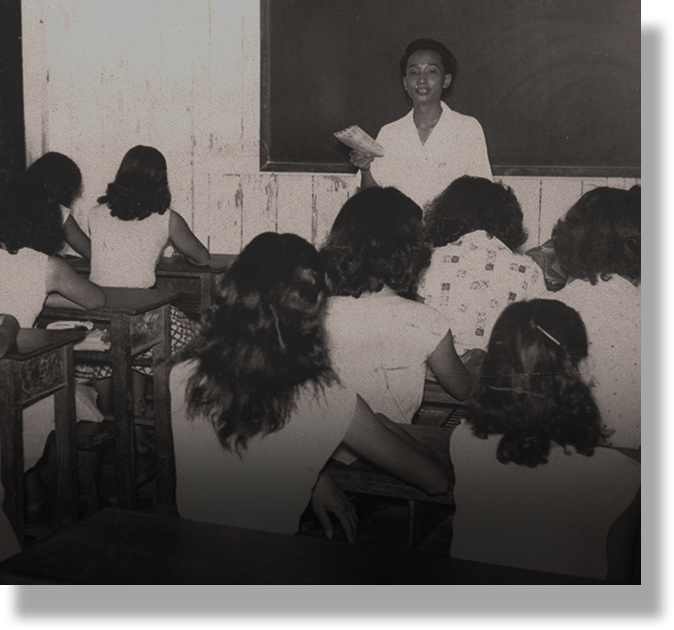
A night class at Thomson Shin Min Public School catering to youths whose education was disrupted during the Japanese Occupation (1949).
Shin Min Public School Collection, courtesy of National Archives of Singapore.
Training New Teachers
In 1950, the Teachers’ Training College was established to address the acute shortage of teachers after the war. Housed in the old premises of Anglo-Chinese School at Cairnhill Road, its role was to centralise teacher training and meet the demand for locally trained teachers. The curriculum comprised studies in education theories and psychology, language, civics as well as art, music and physical education.
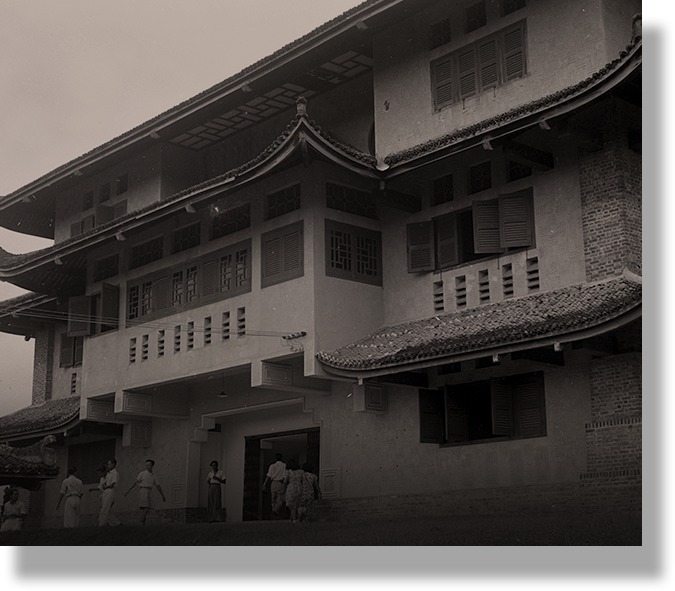
Teachers' Training College at Cairnhill Road (1950).
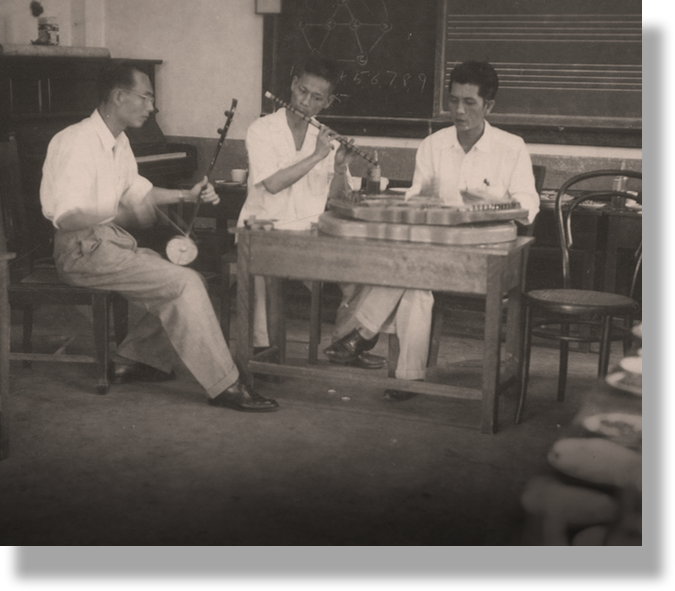
Teachers playing their musical instruments after lunch (1950s).
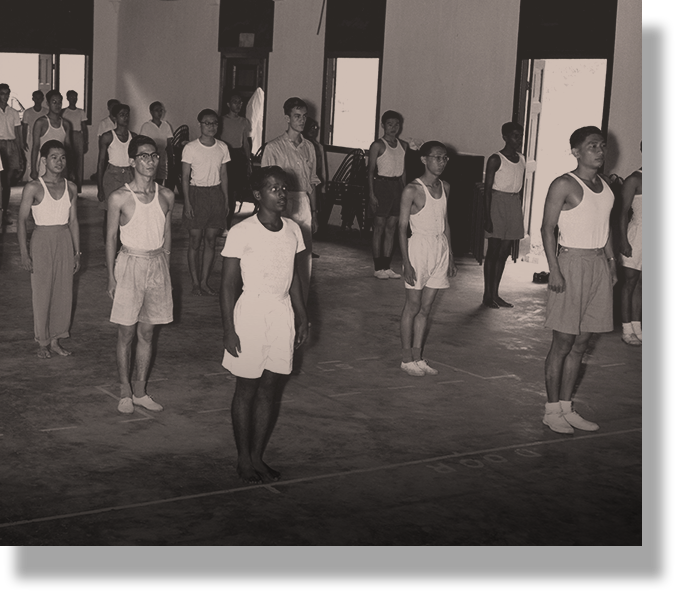
Teachers-in-training doing physical exercises at the Teachers’ Training College (1954). Ministry of Information and the Arts Collection, courtesy of National Archives of Singapore
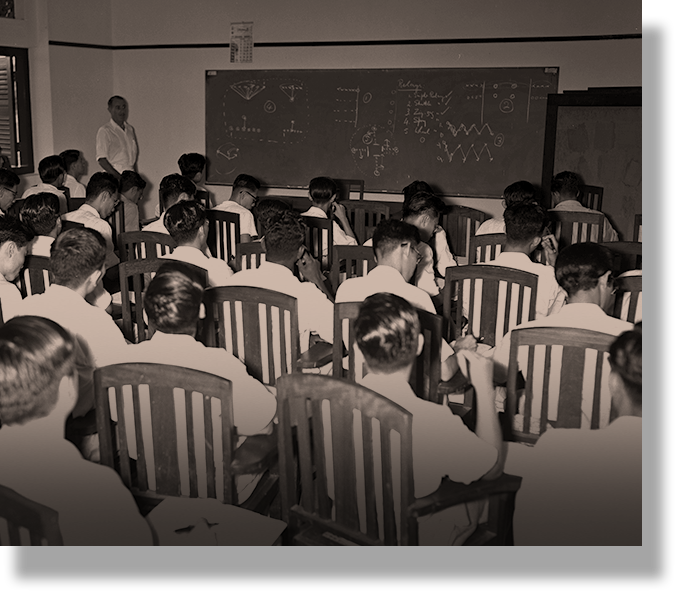
Teachers-in-training attending lectures at the Teachers’ Training College (1954).
Ministry of Information and the Arts Collection, courtesy of National Archives of Singapore
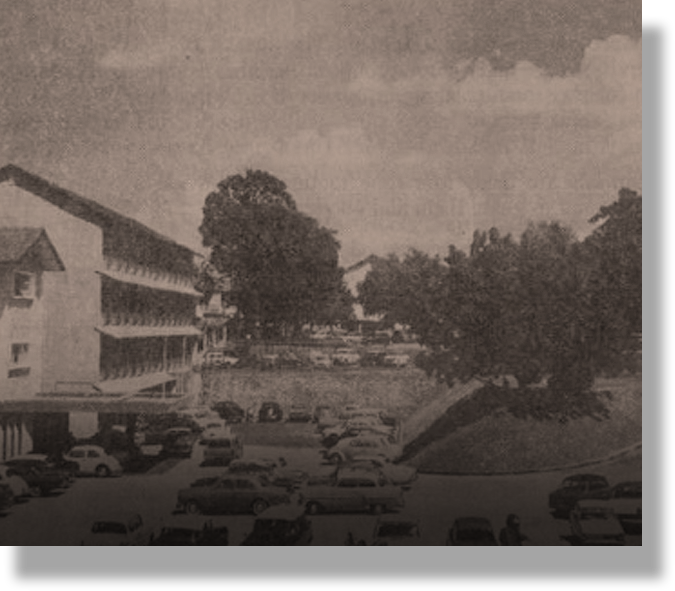
Teachers' Training College at Paterson Road, between 1956 and 1965.
Ministry of Information and the Arts Collection, courtesy of National Archives of Singapore.
Educational Materials
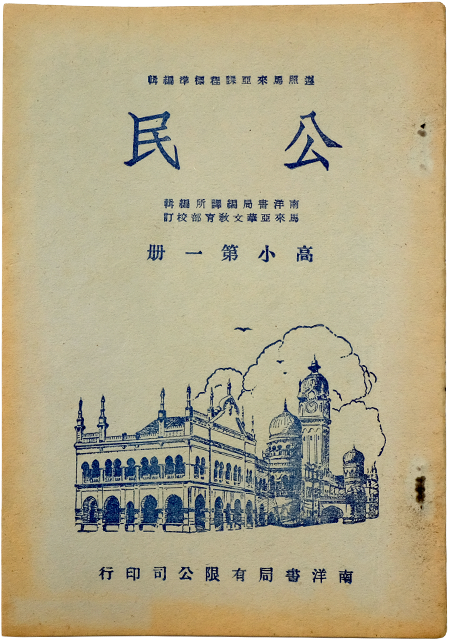
Civics
Explore a Chinese Civics textbook used in Malayan schools to teach moral values to students.
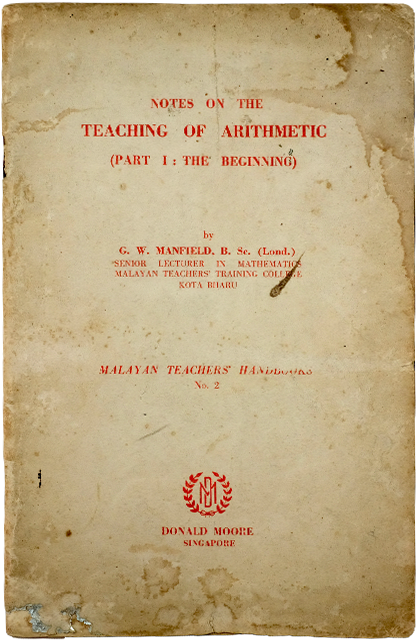
Notes on The Teaching of Arithmetic
Explore this teachers' handbook on making arithmetic lessons more engaging.
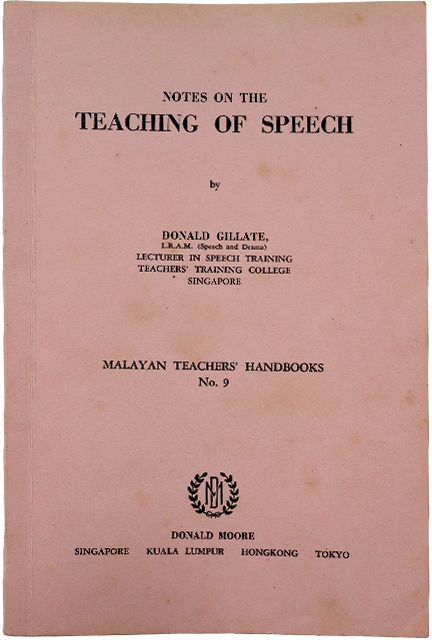
Notes on The Teaching of Speech
Explore this teachers' handbook for helping students improve their spoken English.
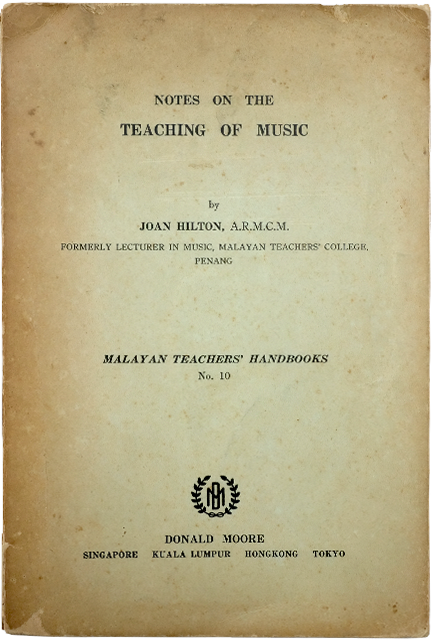
Notes on The Teaching of Music
Explore this teachers' handbook on teaching music.